

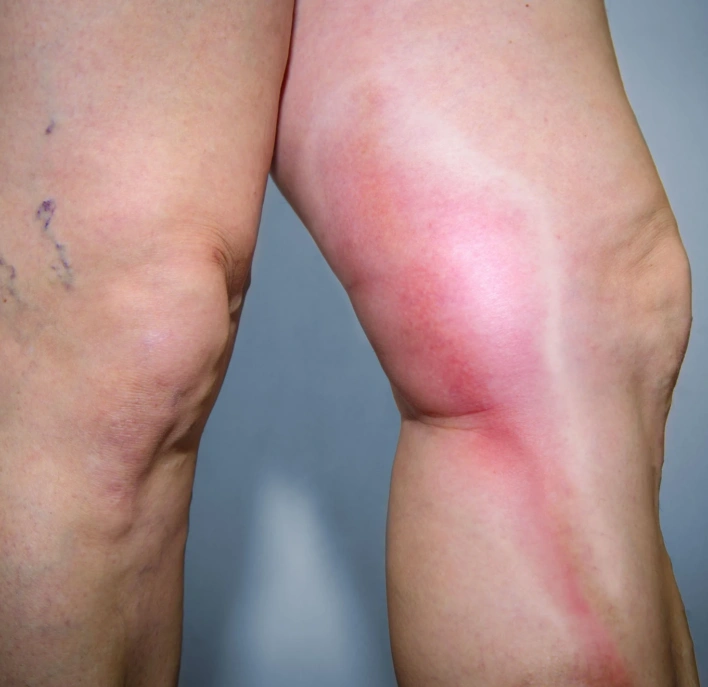
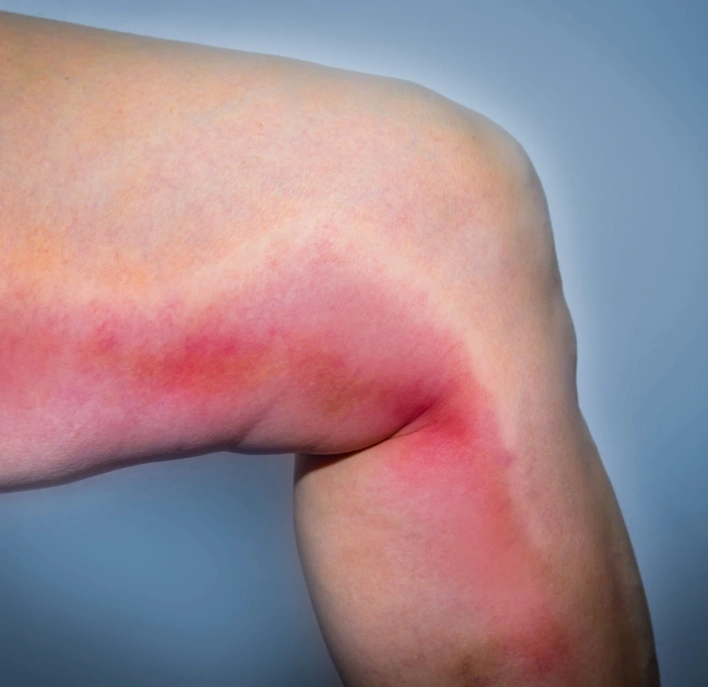
A Symptom of Vein Disease

Phlebitis is a condition in which veins have become inflamed, leading to the formation of blood clots. Phlebitis, also known as Thrombophlebitis can occur in veins throughout the body, but it is most common in leg veins.

Superficial Phlebitis affects veins near the surface and is less serious, but still requires a medical evaluation. Deep Vein Thrombophlebitis is a condition that affects larger blood vessels that are deeper in the legs. This is a more serious condition because large blood clots can form, break off, and travel to the lungs.

Depending on the type of Phlebitis, it has the potential to be a serious health concern.

Book a free screening with our Watertown vein clinic to have your conditions diagnosed and treated to reduce the risk of health issues.

Risk Factors

You are more likely to develop Phlebitis if you:

  • Regularly stand or sit for prolonged periods of time.
  • Have varicose veins
  • Are pregnant
  • Have a family history of blood-clotting disorders or a tendency to form blood clots
  • Have had previous episodes of thrombophlebitis
  • Over the age of 60
  • Are obese
  • Have cancer
  • Smoke

Symptoms

Symptoms may vary according to your venous insufficiency.

  • Superficial thrombophlebitis: you may experience pain and tenderness, warmth and swelling, and inflammation in the affected areas.
  • Deep vein thrombophlebitis: pain and swelling are the most common characteristics

When To See a Vein Doctor

If you have a red or swollen vein and any of the above risk factors for thrombophlebitis, it is important that you schedule an appointment with a vein specialist.

Call 911 or head to the emergency room if:

  • You have shortness of breath or chest pain.
  • Coughing up blood
  • Have symptoms of a blood clot
  • Severe vein swelling and pain

Diagnosis

Every patient will receive a free screening to diagnose the vein problem. Our vein specialists will consider your medical and health history to determine the treatment plan for you. An ultrasound might be needed to confirm the assessment.

What to Expect at Your First Visit

  • Medical History Review and exam
  • Diagnosis of vein issues and treatment options
  • A vein specialist will visit with you to come up with a treatment plan that is best for you