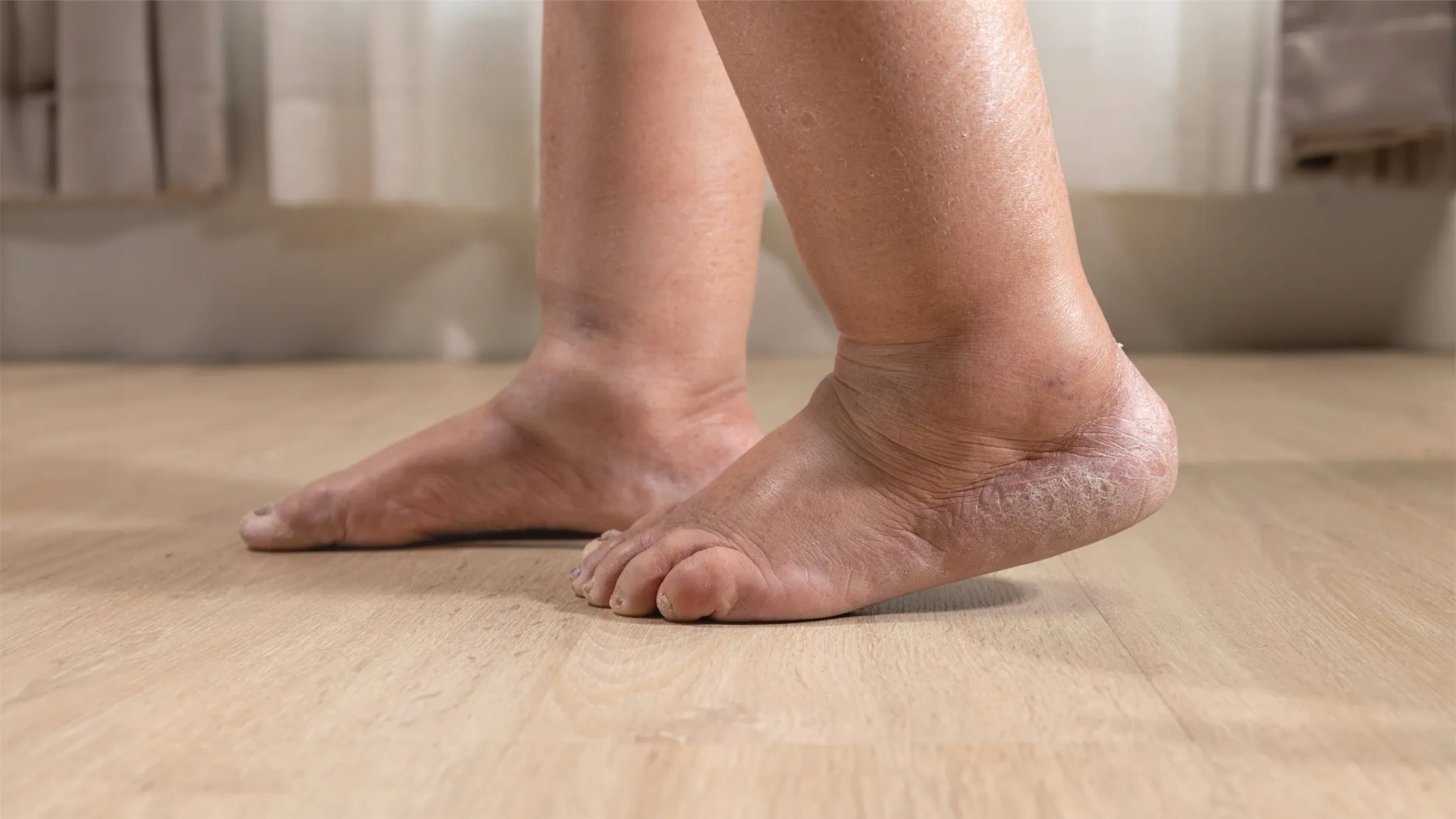
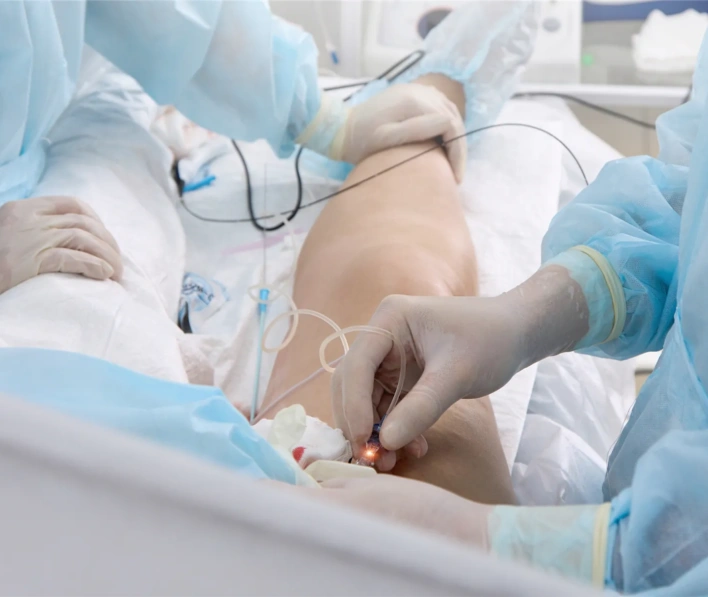
Endovenous radiofrequency ablation is a modern approach to treating vein disease that does not come with the more involved recovery of vein stripping. At Physicians Vein Clinics, we offer minimally invasive treatments that take place in our offices and allow you to get back to your day sooner. Endovenous radiofrequency ablation can help you find relief from uncomfortable symptoms such as enlarged veins, leg swelling, leg aching and more. Call us at 888-782-8346 to find out if this treatment is right for you.

What Is Endovenous Radiofrequency Ablation?

Endovenous radiofrequency ablation (EVRF) is the latest heat-based treatment for varicose veins. It’s a minimally invasive outpatient procedure that replaces the previous vein “stripping” surgery.

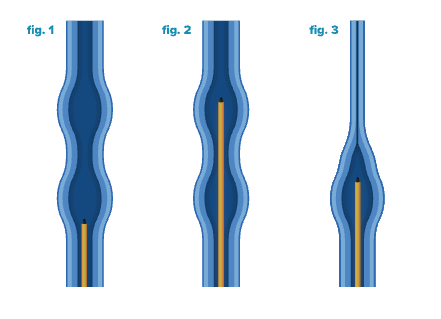
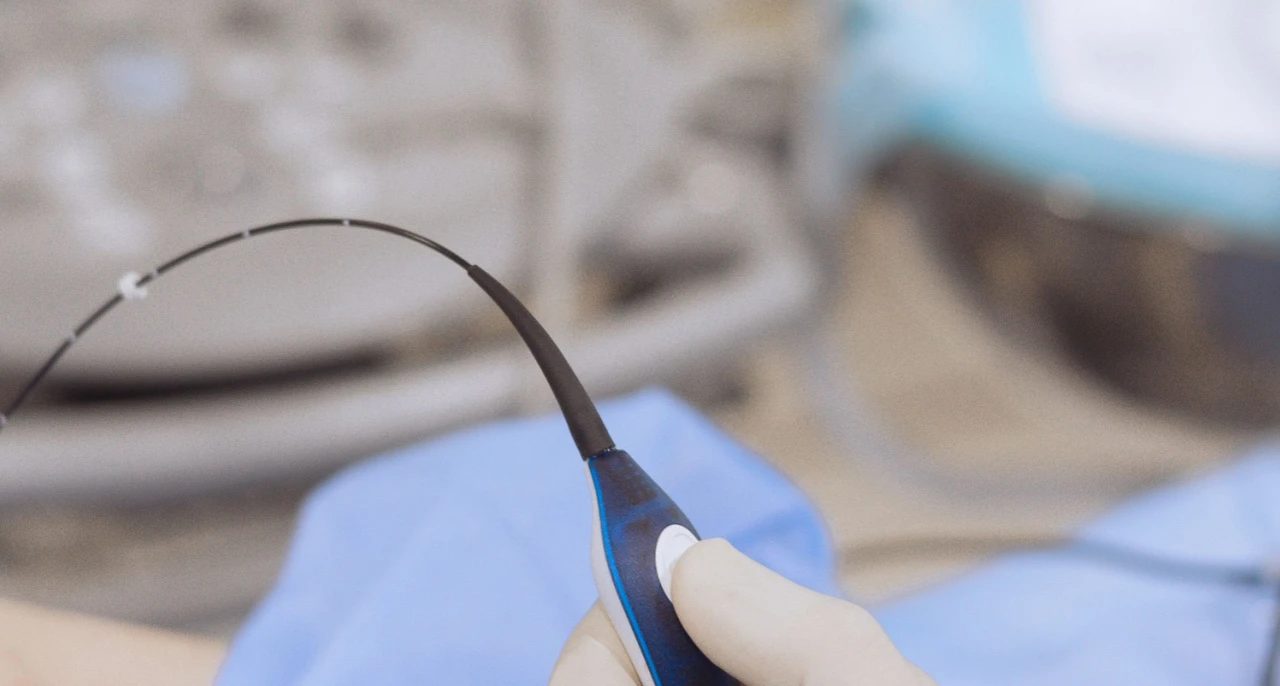
Radiofrequency ablation for chronic venous insufficiency is performed under local anesthesia on an outpatient basis by a board-certified vein physician. The doctor will insert a small catheter into the diseased vein, which delivers heat to shrink and close the vein. Once the treatment is completed, blood will naturally reroute to the healthy veins. The vein is not removed, but it will be absorbed by the body over time. The procedure improves the blood circulation in the legs by ensuring blood is traveling in the proper direction.

Benefits of Endovenous Radiofrequency Ablation

There is minimal downtime with the procedure. Our patients can return to work right after their EVRF treatment and report that their symptoms improve quickly. Relief can come from leg pain and discomfort in a matter of days. Minor bruising is normal and mild discomfort is common but resolves quickly within a few days.

The procedure usually lasts between 20 and 30 minutes. The total appointment time should be roughly one hour. Other benefits include

  • Minimally invasive, in-office treatments
  • Non-surgical
  • High success rate, over 95%
  • Office-based procedure (no hospital stay)
  • No general anesthesia
  • No downtime
  • Fewer side effects than previous vein “stripping”
  • Relieves leg pain and other symptoms caused by vein disease
  • Improves the appearance of varicose veins

How to Prepare for Endovenous Radiofrequency Ablation

  • Bring your compression stockings with you for each appointment.
  • Bring comfortable shoes for walking.
  • Avoid using lotions on your legs the day of your RFA session.
  • Drink at least 64oz of water and avoid any alcohol the day prior to your RFA session.
  • Drink 32oz the day of your RFA session.
  • Report any medication, allergies, or changes in your medical condition prior to your session.

What Happens During Endovenous Radiofrequency Ablation

Before your treatment begins, we will map out the affected area and clean and numb the skin to keep you comfortable throughout. Your physician will make a tiny entry point in the skin and insert the catheter. You will feel mild pressure but not pain as it is inserted. After the vein is treated with the radiofrequency energy, a bandage is placed over the area and you can put on your compression stockings. You will be up and walking right away and you can drive yourself home.

Fig. 1: A disposable catheter is inserted into the affected vein. Fig 2.: The catheter heats and collapses the vein. Fig. 3; The catheter is withdrawn

What Happens After Endovenous Radiofrequency Ablation

  • After treatment, a compression stocking will be applied. After walking for 10-20 minutes, you will be able to drive yourself home.
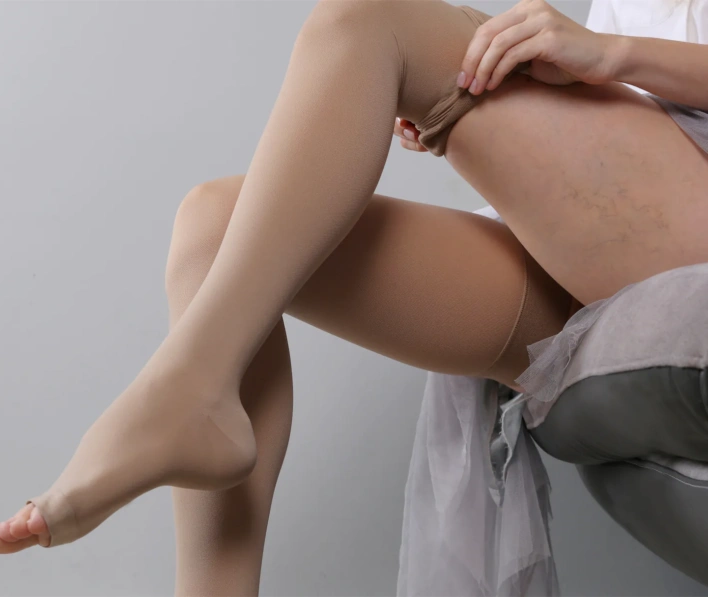
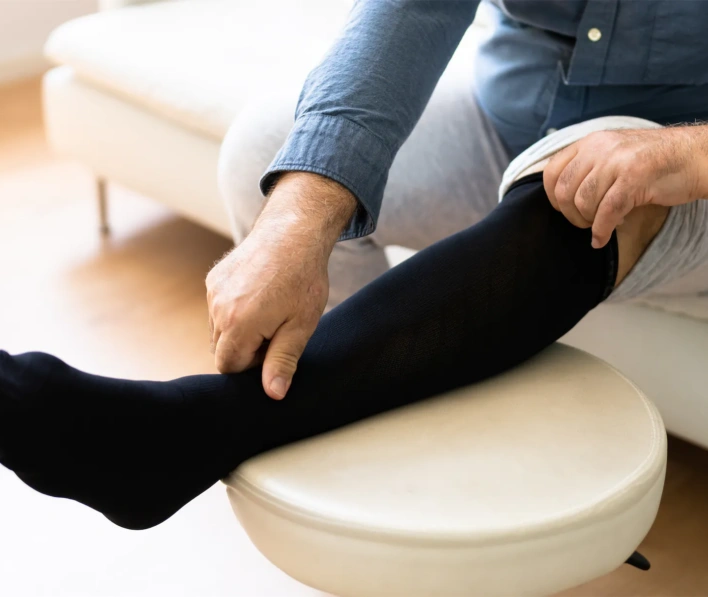
  • You will be instructed to wear compression stockings continuously for 2 days (sleep in them for 2 nights). Thereafter, you will put your stockings on in the morning and take them off at night for 5 additional days. (7 days of stockings TOTAL). You do not need to wear stockings while showering.
  • While most patients do not require pain medication after this treatment, you can use ibuprofen or Tylenol as needed.
  • You may resume most of your regular activities immediately, excluding running, jumping, and other strenuous activities that involve your core muscle group (torso area). Do not lift over 40 pounds for 1 week. You may resume normal workouts after 1 week.
  • Avoid air travel for 1 week following an RFA session.
  • Avoid hot tubs, baths, lakes or swimming pools for 1 week.
  • You are encouraged to walk 30-60 minutes a day. Getting up and walking around will help alleviate discomfort.

Schedule Your EVRF Consultation

If varicose veins are causing leg pain, discomfort, or limiting your daily activities, Endovenous Radiofrequency Ablation may be an effective treatment option. EVRF is a proven, minimally invasive procedure designed to improve circulation, relieve symptoms, and restore comfort with little to no downtime.

At Physicians Vein Clinics, our board-certified vein specialists use advanced diagnostic tools to determine whether EVRF is right for you and guide you through every step of the process. Schedule your free screening or call to speak with our care team and take the next step toward healthier, more comfortable legs.

FAQs About Endovenous Radiofrequency Ablation

What types of veins are treated with endovenous radiofrequency ablation?

Endovenous radiofrequency ablation (EVRF) treats a wide range of varicose veins in the saphenous system, including:

  • Veins above and below the knee
  • Truncal veins with medium and large diameters
  • Perforator veins
  • Veins that were previously treated with other methods

How long does it take to notice results after EVRF?

While everyone is different, some symptom relief can occur in the first couple of days. It is normal to experience tenderness and bruising, along with a sensation of hardening in the treated vein during this time. Over the next one to two weeks, you will experience a gradual reduction in bruising and swelling. After several weeks, the vein will be less visible, and symptoms will decrease even more.

Can EVRF be combined with other vein treatments?

Sometimes EVRF may be combined with other treatments like sclerotherapy or ambulatory phlebectomy, depending on how many veins you have to treat and what type of veins they are. We will create a treatment plan that fits your needs.

Who is a good candidate for EVRF?

Those with chronic venous insufficiency or symptomatic varicose veins may be good candidates for radiofrequency ablation. We will use a diagnostic ultrasound to evaluate your veins and determine if it is the right fit. Most patients who qualify have already completed a certain amount of conservative therapy.