
Common Symptoms of Leg Heaviness
Heavy legs are most described as:
- Achy
- Tired
- Crampy
- Stiff
Patients with leg heaviness also see other symptoms such as:
- Swelling
- Bumpiness
- Soreness
- Skin discoloration
- Throbbing pain in one or both legs
- Spider veins
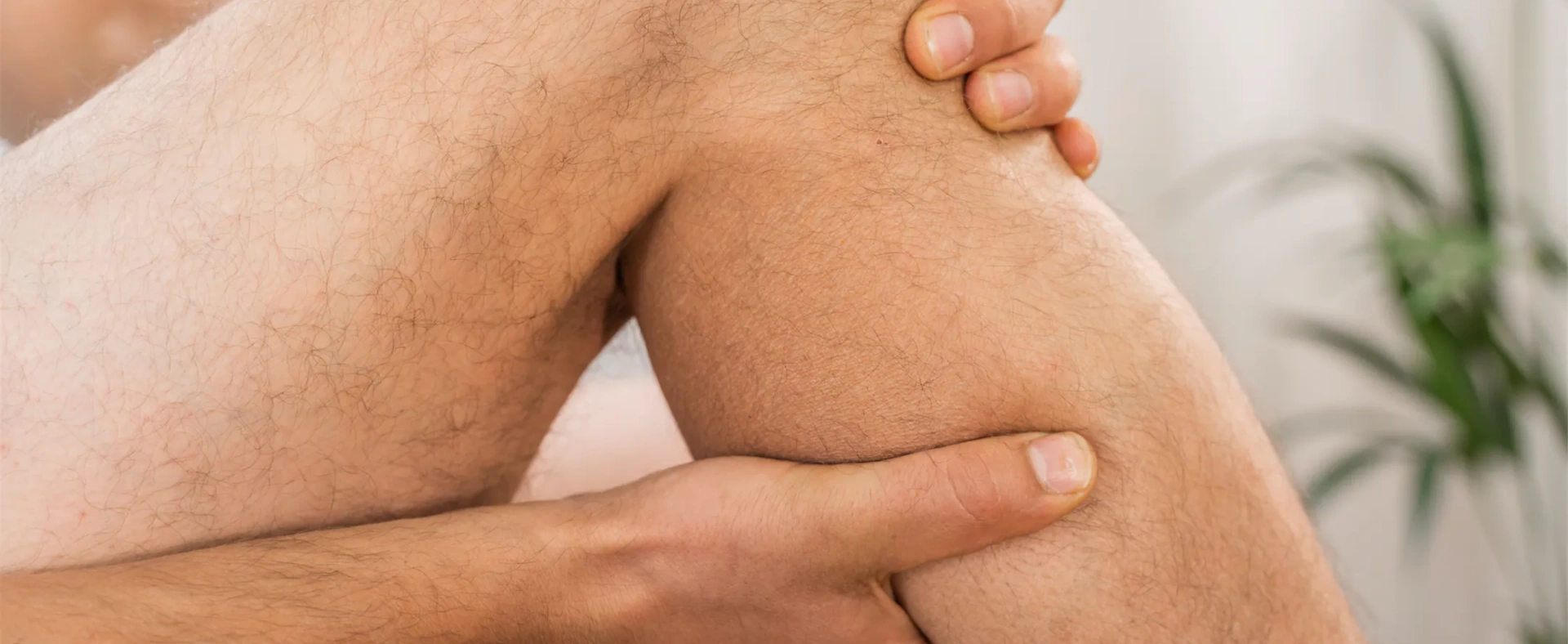
Legs heaviness are described as the legs that feel weighted, stiff, or tired especially at the end of the day, and also in hot weather for no apparent reasons. Determining the actual cause of leg heaviness is important to an effective treatment.
Though some home remedies might relieve the symptoms, a visit to a vein doctor will allow for a full diagnosis and help understand the symptom correctly. We invite you to schedule a consultation at 888-782-8346 or reach out through our website.
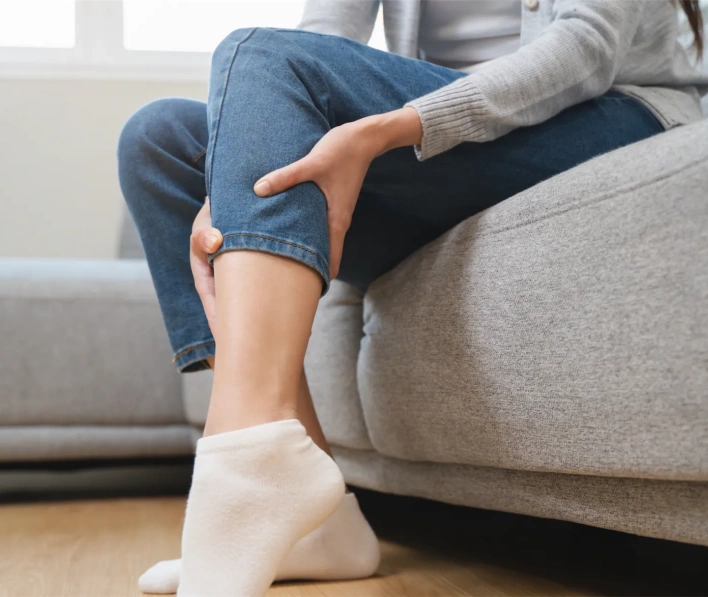
Heavy legs are most described as:
Patients with leg heaviness also see other symptoms such as:
Heavy legs can be a sign of a number of conditions:
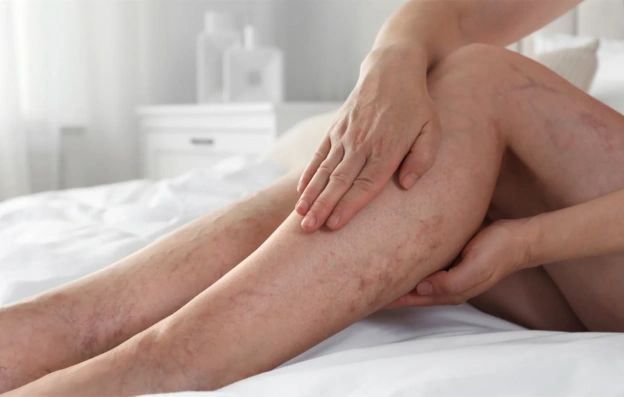
Varicose veins are larger, bulging, and twisted veins. As blood flow malfunctions because of damaged/weakened valves, blood starts to pool in the legs.
If left untreated, varicose veins can lead to serious complications such as blood clots and deep vein thrombosis.
Risk factors that increase the chances of vein diseases:
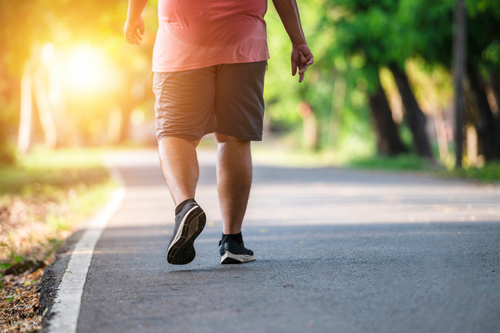
Heavy legs can be directly linked to overweight. Having extra weight can put additional pressure on joints, muscles, and tendons in the legs. A person with excess weight and a sedentary lifestyle may be subject to circulation problems. This worsens the heaviness symptom in the legs.
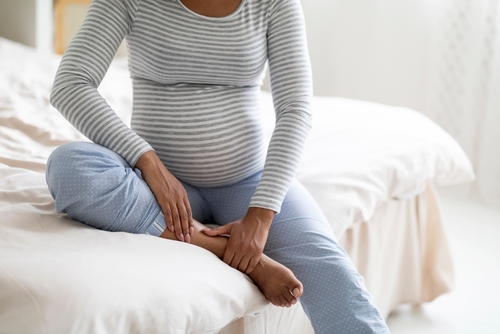
Pregnant women often experience leg heaviness. This is due to a combination of extra weight, increased blood volume, and hormonal changes.
The extra weight puts more pressure on the legs whilst changes in hormonal levels may increase water retention and reduce elasticity in the veins.
Pregnant women should see a doctor if they have:
Lymphedema can cause a heavy feeling in your legs because lymph fluid is not draining the way it should. When fluid builds up in the tissues, the swelling adds physical weight and pressure. The skin and underlying tissue can also become thicker with this condition, which can make movement feel slower and more difficult.
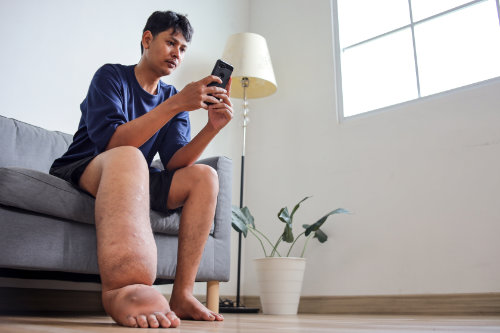
This chronic fat distribution condition creates a dense buildup of tissue on the lower body, especially the hips, thighs and calves. It usually spares the feet. This buildup of fat does not respond to the usual methods like weight loss and adds physical mass to the legs that feels dense and uncomfortable.
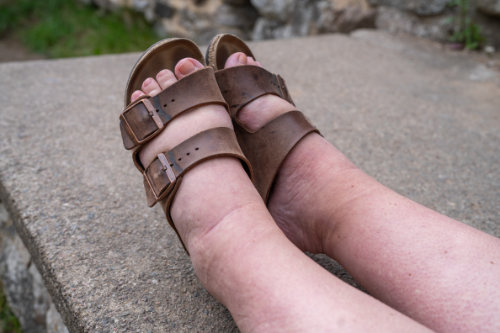
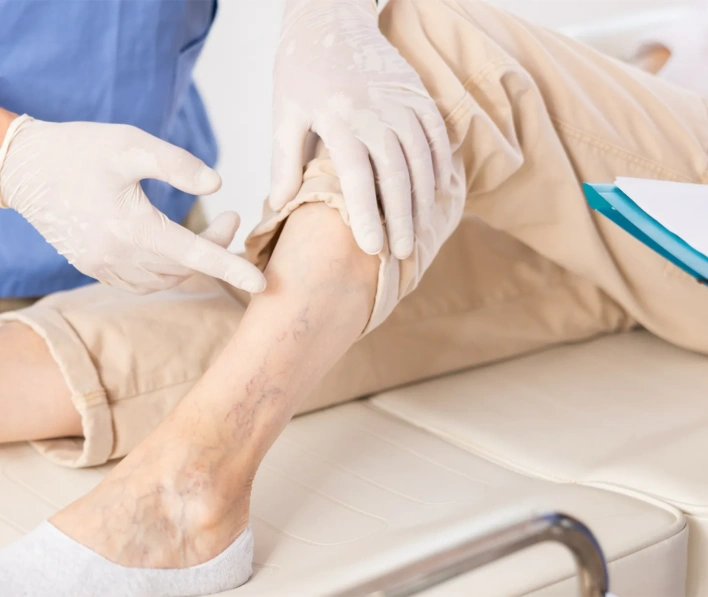
It is not uncommon to experience tired heavy legs from time to time, especially after an intensive workout or long periods of sitting or standing.
However, if you feel your legs are frequently heavy or your symptoms are affecting your daily routines, you should definitely find a vein clinic nearby and consult a vein specialist. A board-certified vascular doctor will look at your medical history, examine your symptoms, and do any necessary testing to determine the causes. Everyone experiences the feeling of heavy legs every once in a while. You may have sat too long or worked out too hard.
Book a free vein screening today with our doctor. We have 12 convenient vein centers across South Dakota, Iowa, and Minnesota. Our vein specialists are board-certified and have years of experience in treating varicose veins, spider veins, and other vein-related symptoms. Our vein clinics are well-facilitated with the most advanced minimally-invasive procedures.
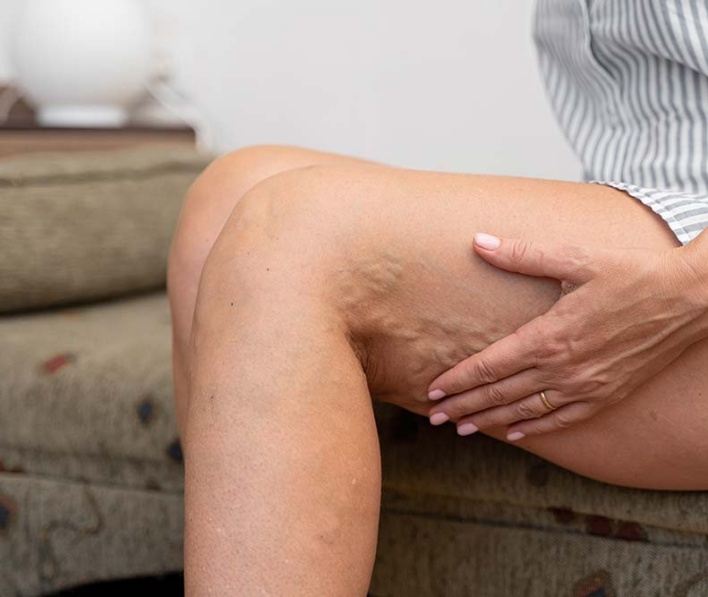
Our treatments begin by identifying the cause of your heaviness and ruling out or confirming conditions like varicose veins and chronic venous insufficiency. We specialize in finding and treating venous disease and can recommend options to relieve your discomfort. Treatment options include:
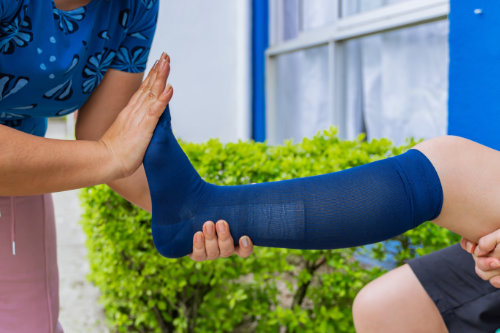
We often begin with conservative care, especially since many insurance plans require this step before approving other treatments. We use prescription-grade graduated compression garments at 20 to 30 mmHg or higher, customized based on your condition and situation. We can also guide you through any lifestyle changes that need to be made, including increased movement, diet changes and elevating the legs regularly.
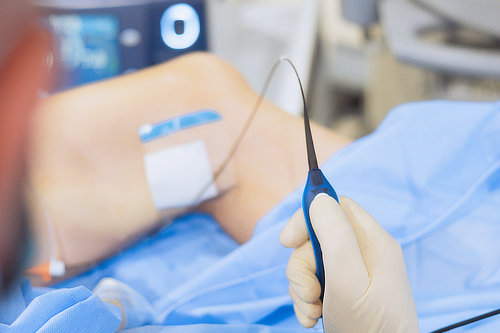
Endovenous radiofrequency ablation (EVRF) is often used to treat varicose veins below or above the knee, the great and small saphenous veins and the smaller perforator veins in the legs. Radiofrequency energy heats the vein from the inside through a catheter. Compared to traditional vein stripping, this method has fewer side effects and is performed in our office.
VenaSeal treats varicose veins by sealing them from the inside with a medical adhesive. We deliver the adhesive into the vein with a thin catheter, where it bonds the vein walls together and stops blood flow only in the treated vein. VenaSeal treats leg heaviness without surgery or heat.
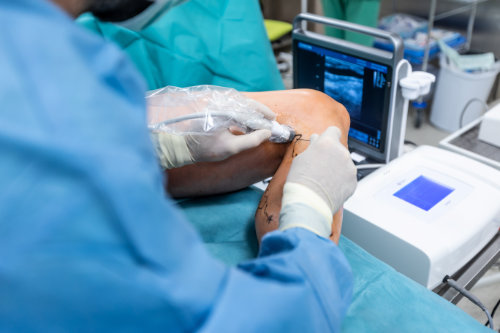
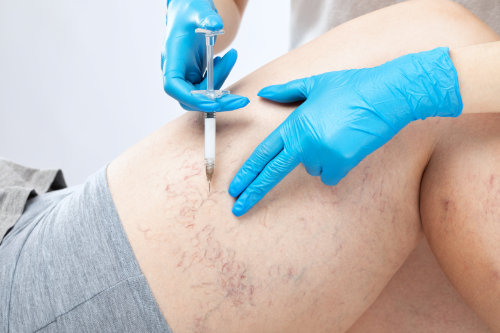
We offer ultrasound-guided foam sclerotherapy for veins that are producing symptoms. Ultrasound allows us to locate the exact vein that is causing your discomfort. The foam solution irritates the inner lining of the vein, which causes it to collapse. Then your body can absorb and remove the vein while your overall circulation improves.
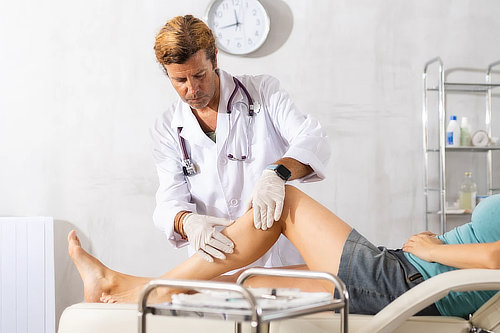
When malfunctioning veins are close to the surface, they may be good candidates for ambulatory phlebectomy. During this treatment, we use small openings to extract the vein segments. Because there are no incisions, the healing process is simple, and you can return to your day immediately.
Book a free vein screening today with our doctor. We have 14 convenient vein centers across South Dakota, Iowa, Illinois, Pennsylvania and Minnesota. Our vein specialists are board-certified and have years of experience in treating varicose veins, spider veins, and other vein-related symptoms. Our vein clinics are well-facilitated with the most advanced minimally invasive procedures.
Call 888-782-8346
Leg heaviness may be worse after you sit or stand for too long. Staying in the same position makes blood more likely to pool in the lower legs and cause heaviness. Heat and dehydration can also make swelling and discomfort from vein disease worse.
Heavy legs are most described as:
Patients with leg heaviness also see other symptoms such as:
Heavy legs are more common in adults over 40 or 50. As individuals age, vein walls and valves can weaken and make it more difficult for blood to move back to the heart. Other risk factors of vein disease include hormonal changes, pregnancy and genetics.
Yes, dehydration can contribute to leg heaviness by reducing overall blood volume and making circulation less efficient. When fluid levels are low, blood can thicken slightly and muscles may fatigue more quickly.